Dante’s Inferno: A Guide to Modern Translations (PDF Focus)
Alan Mandelbaum’s translation is highly recommended for its clarity and comprehensive endnotes, often found in readily available PDF versions for detailed study.
Understanding the Divine Comedy Structure
Dante’s Divine Comedy, encompassing Inferno, Purgatorio, and Paradiso, is structured around a journey of spiritual redemption. Each cantica (section) consists of 33 canti (cantos), plus an introductory canto for Inferno, totaling 100. This numerical symbolism, referencing the perfection of God, underpins the entire work.
Inferno details Dante’s descent through the nine circles of Hell, guided by Virgil, representing human reason. Purgatorio depicts the ascent of Mount Purgatory, where souls cleanse themselves of sin. Finally, Paradiso portrays Dante’s ascent through the nine celestial spheres of Heaven, led by Beatrice, symbolizing divine love.
Understanding this tripartite structure is crucial when exploring modern translations, especially in PDF format, as different editions may emphasize specific aspects of this overarching design.
Inferno, Purgatorio, and Paradiso: An Overview
Dante’s epic unfolds in three parts: Inferno, a harrowing journey through Hell’s nine circles, culminating in the encounter with Lucifer; Purgatorio, depicting the arduous climb up the Mountain of Purgatory, representing purification; and Paradiso, an ascent through nine celestial spheres towards divine enlightenment, guided by Beatrice.
Each section explores different facets of sin, repentance, and salvation. Inferno focuses on the consequences of sin, Purgatorio on the process of atonement, and Paradiso on the rewards of grace. When seeking modern translations in PDF form, consider how each translator renders these distinct atmospheres.
The availability of detailed notes within PDF editions can greatly enhance understanding of the theological and political nuances present in each cantica.
The Nine Circles of Hell: A Detailed Look
Dante’s Inferno meticulously maps out nine concentric circles of Hell, each reserved for specific sins and corresponding punishments. From Limbo, housing the virtuous unbaptized, to the deepest circle reserved for treachery, the descent reveals escalating severity.
Circles house sins like lust, gluttony, greed, wrath, heresy, violence, fraud, and treachery. When exploring modern translations in PDF format, pay attention to how translators convey the vivid imagery and symbolic weight of each circle’s inhabitants and torments.
A quality PDF version will often include annotations clarifying the historical and allegorical significance of the sinners encountered, enriching the reading experience and understanding of Dante’s moral framework.
Lucifer in the Inferno: The Bottom of Hell
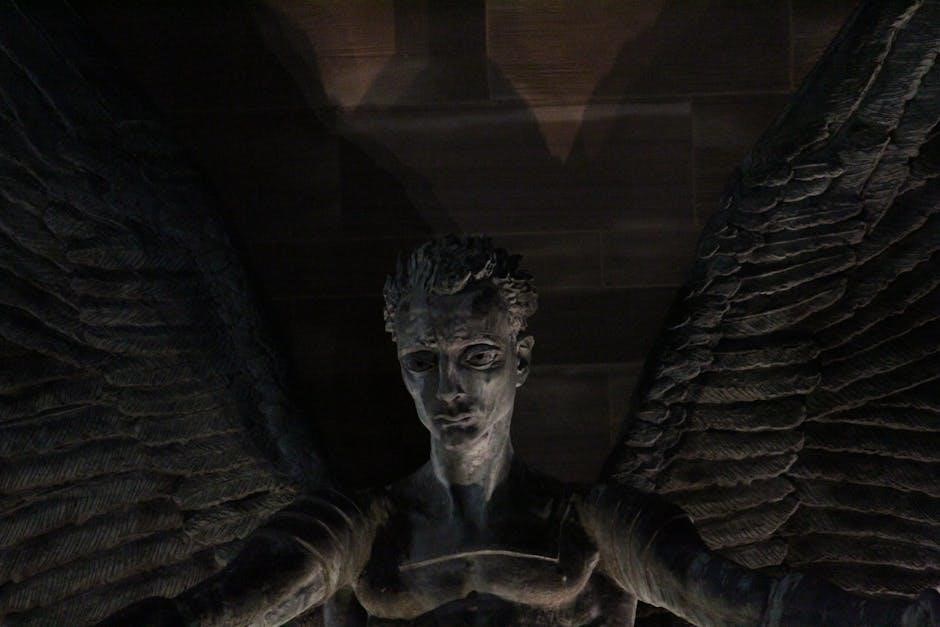
At the very core of Hell, encased in ice, resides Lucifer – a grotesque parody of God. Dante depicts him as a three-faced giant, eternally chewing on Judas Iscariot, Brutus, and Cassius, the ultimate betrayers.
PDF versions of modern translations often highlight the chilling symbolism of Lucifer’s frozen state, representing the complete absence of love and divine warmth. Translators grapple with conveying the sheer horror and cosmic significance of this final, desolate realm.
When selecting a PDF, consider how the translation renders Lucifer’s monstrous form and the implications of his punishment. Detailed endnotes within the PDF can illuminate the theological and political layers of this pivotal scene.
Popular Modern Translations of Dante’s Inferno
PDF access to translations by Alan Mandelbaum and Robert Pinsky allows readers to compare poetic styles and benefit from insightful commentary.
Alan Mandelbaum Translation: A Highly Recommended Choice
Alan Mandelbaum’s translation consistently receives praise for its balance of poetic beauty and accessibility, making it an excellent entry point for modern readers. Many scholars and enthusiasts recommend it as the definitive English version. Conveniently, PDF versions of Mandelbaum’s Inferno are widely available, often including his extensive and illuminating endnotes.
These notes are invaluable, clarifying Dante’s numerous historical, mythological, and theological allusions. They contextualize the 14th-century Italian political landscape and Greco-Roman references, enriching the reading experience. Compared to other translations, like Robert Pinsky’s, Mandelbaum’s work feels vibrant and engaging, avoiding dryness. The readily accessible PDF format allows for easy searching, annotation, and study, making it a superb choice for both casual readers and academic pursuits.
Robert Pinsky Translation: Strengths and Weaknesses
Robert Pinsky’s translation of Inferno, while crafted by a respected poet, often falls short when compared to Alan Mandelbaum’s rendition. Readers frequently describe Pinsky’s work as “dry” and “lifeless,” lacking the vibrancy that brings Dante’s vision to life. While Pinsky is a skilled poet, his translation doesn’t fully capture the emotional depth and narrative drive of the original.
Despite these weaknesses, a PDF version can still be useful for comparative study. It allows readers to directly contrast Pinsky’s approach with other translations. However, the lack of comprehensive endnotes, readily available in Mandelbaum’s PDF, means readers may struggle with Dante’s complex references. Ultimately, while not a poor translation, it’s not the most accessible or engaging option, especially for newcomers.
Other Notable Translations: Considerations
Beyond Mandelbaum and Pinsky, several other Inferno translations exist in PDF format, each with unique strengths. Ciardi’s translation, while older, remains popular for its readability, though its language feels dated to some. Hollander’s version prioritizes a literal approach, potentially sacrificing poetic flow for accuracy. Sinclair’s translation offers a more contemporary feel, but may lack the depth of annotation found in Mandelbaum’s edition.
When choosing a PDF, consider your priorities. Do you prefer poetic beauty or strict fidelity to the original text? Are detailed endnotes essential for understanding Dante’s allusions? Exploring multiple PDF versions allows for comparative analysis, enriching your reading experience. However, remember that quality PDF scans and accurate formatting are crucial for a seamless reading experience.

Comparing Translation Styles: Poetic vs. Literal
The debate between poetic and literal translations of Dante’s Inferno significantly impacts the reading experience, especially when accessed via PDF. Poetic translations, like Mandelbaum’s, prioritize artistic expression, aiming to recreate the beauty and emotional impact of the original Italian. However, this can involve interpretive liberties. Literal translations, such as Hollander’s, strive for accuracy, potentially resulting in a less fluid, more academic read.
When selecting a PDF, consider your preference. A poetic version might be ideal for experiencing Dante’s artistry, while a literal one suits scholarly study. Many PDF editions include both the Italian text and the English translation, allowing for direct comparison. Ultimately, the “best” style depends on your individual goals and reading style.
Finding Dante’s Inferno PDF Versions
Numerous PDF versions of Inferno translations are available online, ranging from free, public domain options to paid, scholarly editions with detailed notes.
Legitimate Sources for PDF Downloads
Seeking reliable PDF sources is crucial when exploring Dante’s Inferno. Project Gutenberg offers free, legally accessible versions, though often in older translations. University libraries frequently provide digitized copies of scholarly editions to registered students and faculty – a fantastic resource!
Reputable online bookstores, like Barnes & Noble or Amazon, sell legitimate PDF versions of modern translations, such as Alan Mandelbaum’s, ensuring quality and supporting the translator’s work. Beware of unofficial websites offering free downloads, as these may contain malware or violate copyright laws.
Digital libraries, such as the Internet Archive, can also host scanned copies, but always verify the source’s legality. Prioritizing authorized sources guarantees a safe and enriching reading experience of this literary masterpiece.
Free vs. Paid PDF Options: What to Expect
Free PDF versions of Dante’s Inferno, often found on sites like Project Gutenberg, typically feature older translations lacking extensive annotations. While accessible, these may present challenges for modern readers unfamiliar with 14th-century context. Expect limited formatting and potentially OCR errors.
Paid PDF options, purchased from reputable booksellers, offer modern translations – like Mandelbaum’s – with comprehensive endnotes, clarifying historical and theological references. These versions boast superior formatting, searchability, and often include supplementary materials.
The investment provides a richer, more nuanced understanding of Dante’s work. Consider your reading goals; if in-depth study is desired, a paid PDF is invaluable. For casual reading, free options suffice;
Copyright and Legal Considerations for PDFs
Downloading Dante’s Inferno PDFs requires awareness of copyright law. Public domain translations – those predating current copyright terms – are legally free to download and distribute, like many found on Project Gutenberg. However, modern translations, such as Alan Mandelbaum’s, remain under copyright.
Obtaining these legally necessitates purchasing a licensed PDF from authorized retailers. Illegally downloaded PDFs infringe copyright, potentially leading to legal repercussions. Always verify the source’s legitimacy before downloading.
Respecting intellectual property supports translators and publishers, ensuring continued access to quality literary works. Prioritize legal avenues for acquiring Inferno PDFs.
PDF Features: Searchability, Annotations, and Accessibility
PDFs of Dante’s Inferno offer several advantages for study. Searchability allows quick location of specific cantos, characters, or themes within the text. Annotations – highlighting, notes, and comments – facilitate close reading and personal engagement with the poem.
Digital editions often include interactive features like linked endnotes, providing immediate access to contextual information. Consider PDFs with adjustable font sizes and styles for enhanced readability.
Accessibility features, such as text-to-speech compatibility, benefit visually impaired readers. Ensure the PDF is well-formatted for optimal use with assistive technologies, maximizing your study experience.
Preparing to Read Dante’s Inferno
Familiarize yourself with Greco-Roman mythology and 14th-century Italian politics before diving into a PDF translation for a richer understanding.
Greco-Roman Mythology: Contextual Background
Dante liberally populates the Inferno with figures from classical mythology, assuming his audience possessed a foundational understanding of these tales. While modern PDF translations often include helpful endnotes, a prior acquaintance with these stories significantly enhances comprehension. Characters like Charon, Minos, Cerberus, and Phlegyas aren’t merely names; they represent established archetypes and punishments rooted in ancient beliefs.
Understanding the myths surrounding figures like Icarus, Sisyphus, and the Trojan War provides crucial context for Dante’s allegorical representations of sin and divine justice. Though Dante focuses heavily on contemporary political figures, the classical allusions demonstrate the continuity of human failings throughout history. Even when reading a well-annotated PDF version, recognizing these references independently deepens your appreciation for the poem’s intricate layers of meaning and artistic ambition.
14th-Century Italian Politics: Understanding Dante’s References
Dante’s Inferno is deeply embedded in the turbulent political landscape of 14th-century Italy, particularly the conflicts between Guelphs and Ghibellines, and the power struggles within Florence. Many of the damned souls Dante encounters are specific individuals involved in these disputes, and understanding their allegiances is crucial for interpreting the poem.
Modern PDF translations often provide endnotes explaining these historical references, but they can be extensive and sometimes insufficient. The internecine political infighting of Dante’s time is often more obscure than classical mythology. Without this context, many of the poem’s pointed criticisms and personal vendettas will be lost on the reader. A supplemental historical guide alongside your PDF can greatly enrich your understanding of Dante’s motivations and the poem’s biting satire.
Theological Concepts: Sin and Redemption
Dante’s Inferno is fundamentally a theological work, exploring the nature of sin, divine justice, and the possibility of redemption. The poem’s structure—the nine circles of Hell corresponding to different categories of sin—reflects medieval Catholic theology. Understanding these concepts is vital for grasping the poem’s moral framework.
When accessing a PDF version, look for translations with robust endnotes that explain the theological underpinnings of Dante’s punishments. While the poem is religious, Dante also demonstrates a scientific understanding of the world. Some PDF editions include scholarly essays that delve into these complex themes, offering deeper insights into Dante’s worldview and his vision of the afterlife.
Utilizing Endnotes and Commentary
Navigating Inferno’s complexities requires diligent use of endnotes and commentary, especially when reading a PDF version. Dante’s work is steeped in 14th-century Italian politics and Greco-Roman mythology, often obscure to modern readers. A quality translation’s PDF should offer detailed explanations of these allusions.
Alan Mandelbaum’s translation is praised for its comprehensive notes, often included in PDF formats. These notes clarify Dante’s references to contemporary figures and events, enriching the reading experience. When choosing a PDF, prioritize editions with extensive commentary to unlock the poem’s layers of meaning and fully appreciate Dante’s allegorical intent.
Navigating the Inferno’s Complexities
PDF versions with annotations help decipher Dante’s allegory and symbolism, aided by understanding Virgil’s role and characters within each circle.
Understanding Dante’s Allegory and Symbolism
Dante’s Inferno thrives on layered allegory and potent symbolism, demanding careful navigation, especially when utilizing PDF translations. The poem isn’t merely a depiction of Hell; it’s a journey of the soul, a political commentary, and a theological exploration.
Each circle of Hell, its punishments, and its inhabitants represent specific sins and their corresponding consequences. Understanding these symbolic representations requires attentive reading and often, the benefit of insightful annotations found within quality PDF editions.
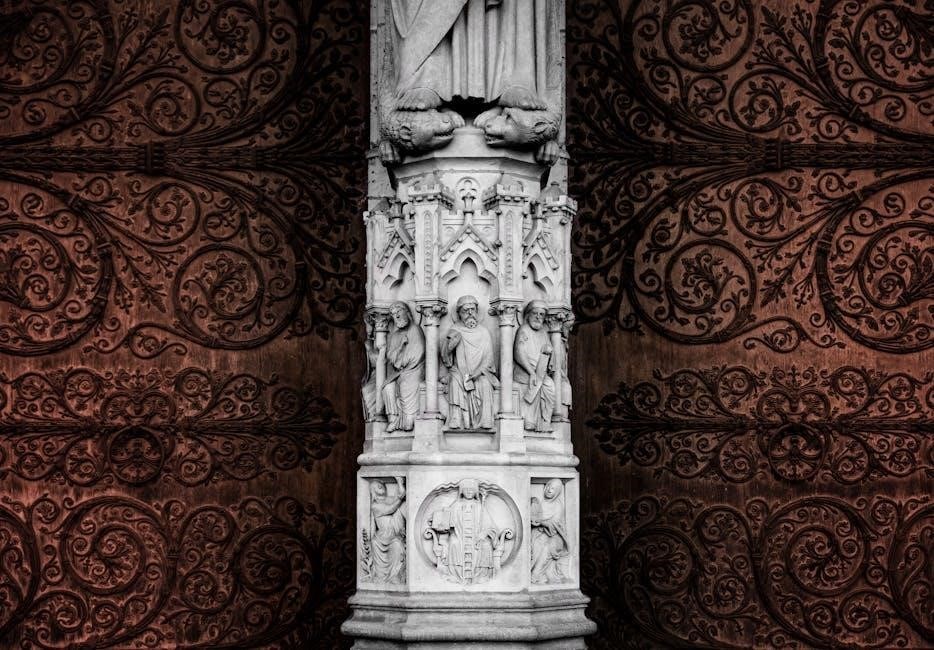
For example, the beasts Dante encounters at the beginning symbolize different types of sin, while figures like Francesca da Rimini embody the dangers of unchecked passion. A well-annotated PDF can illuminate these nuances, providing context and deeper meaning to the text, enhancing comprehension of Dante’s masterful artistry.
The Role of Virgil as Dante’s Guide
Virgil, in Inferno, serves as Dante’s crucial guide through the harrowing depths of Hell, embodying human reason and wisdom. His presence is pivotal, offering both protection and intellectual insight as Dante navigates the complex landscape of sin.
When accessing PDF translations, appreciating Virgil’s role is essential. He isn’t simply a tour guide; he interprets the punishments, explains the allegorical significance of the sinners, and provides moral commentary.
A good PDF version will highlight Virgil’s interventions, perhaps through footnotes or contextual notes, clarifying his influence on Dante’s journey. Understanding their dynamic – Dante’s emotional response versus Virgil’s rational guidance – unlocks deeper layers of meaning within the poem, enriching the reading experience.
Key Characters Encountered in Each Circle
Each circle of Hell in Inferno houses sinners representing specific transgressions, and a quality PDF translation will illuminate these figures. From Francesca da Rimini in the second circle (lust) to Count Ugolino in the ninth (treachery), these encounters are profoundly impactful.
When studying a PDF version, pay attention to the translator’s handling of character introductions and the accompanying notes. Understanding the historical context and the specific sins of each individual deepens the poem’s allegorical weight.
Excellent PDFs often include character glossaries or detailed annotations, providing crucial background information. Recognizing these figures isn’t merely about identifying names; it’s about grasping Dante’s moral and political commentary.
Botticelli’s “Map of Hell”: A Visual Aid
Sandro Botticelli’s illustrations for Inferno, particularly his “Map of Hell,” offer a powerful visual companion to Dante’s text, often included in enhanced PDF editions. This map vividly depicts the nine concentric circles of Hell, aiding comprehension of the poem’s complex structure.
When consulting a PDF version, examine how the map corresponds to Dante’s descriptions. It’s a valuable tool for visualizing the spatial arrangement of punishments and the descent into the abyss.
High-quality PDFs may feature interactive maps or detailed annotations linking specific locations to corresponding cantos. Botticelli’s artistry brings Dante’s imaginative world to life, enhancing the reading experience and solidifying understanding.
Resources for Further Study
Online databases and academic articles offer deeper insights into Inferno, often accessible as PDFs, complementing modern translations for enriched study.
Online Dante Resources and Databases
Numerous online resources significantly enhance the study of Dante’s Inferno, particularly when paired with modern translations available in PDF format. The Dartmouth Dante Project (danteworlds.dartmouth.edu) provides an extensive, searchable database of the Divine Comedy, including Italian text, English translations, and detailed commentaries.
Princeton University’s digital library often hosts scholarly articles and digitized versions of classic commentaries, frequently downloadable as PDFs. Exploring sites like JSTOR and Project MUSE (often accessible through university libraries) yields critical analyses of various translations, aiding in comparative study.
Furthermore, dedicated Dante fan communities and forums frequently share curated lists of online resources, including links to free PDFs of translations and study guides. Remember to verify the legitimacy of sources before downloading any files.
Academic Articles and Literary Criticism
Delving into academic articles provides crucial context when studying Dante’s Inferno, especially alongside modern translations in PDF format. Databases like JSTOR, Project MUSE, and MLA International Bibliography offer peer-reviewed analyses of translation choices and their impact on interpretation.
Scholarly essays often dissect the challenges of rendering Dante’s complex allegory and symbolism into contemporary English, evaluating the strengths and weaknesses of different translators.
Focus on articles that specifically address the translation you’re using – for example, critiques of Mandelbaum or Pinsky – to understand the translator’s methodology. Many universities provide digital access to these resources. Searching for keywords like “Dante translation criticism” alongside the translator’s name will yield relevant PDFs and scholarly discussions.
Companion Guides and Study Materials
Enhance your reading of Dante’s Inferno, particularly when using a PDF version of a modern translation, with dedicated study aids. Norton Critical Editions offer comprehensive introductions, contextual essays, and detailed annotations – often available as supplemental PDFs.
SparkNotes and CliffNotes provide accessible summaries and character analyses, though scholarly rigor is limited. Consider pairing these with more in-depth resources;
Online platforms like Coursera and edX host university-level courses on Dante, sometimes offering course materials in PDF format. Look for guides focusing on the specific translation you’ve chosen to maximize understanding of Dante’s allusions and historical context;