
Generac 24kW Installation Manual: A Comprehensive Plan
This manual details the safe and efficient installation of a Generac 24kW generator, covering everything from site preparation to fuel connections and electrical setup.
Generac 24kW generators represent a powerful solution for whole-house backup power, ensuring uninterrupted electricity during outages. Founded in 1959, Generac pioneered affordable home standby generators and specialized engines. These systems are designed for automatic operation, seamlessly switching on when utility power fails.
This manual focuses on the installation of these robust units, providing a detailed guide for homeowners and qualified technicians. Understanding the generator’s capabilities and limitations is crucial for safe and effective implementation. Generac currently employs over 9,239 people and boasts a revenue per employee of $0.46 million, demonstrating its significant market presence.
Safety Precautions & Warnings
Installing a Generac 24kW generator involves inherent risks; prioritize safety at all times. Disconnect all electrical power before commencing any wiring. Improper installation can lead to electrocution, fire, or carbon monoxide poisoning. Always adhere to local codes and permitting requirements.
Fuel connections (propane or natural gas) must be performed by qualified professionals, ensuring leak-free operation. Never operate the generator indoors or in poorly ventilated areas. Regularly inspect the system for damage or wear. Generac emphasizes responsible operation; neglecting these precautions could void the warranty and endanger lives.
Unboxing and Component Verification
Upon delivery, carefully inspect the Generac 24kW generator packaging for any signs of damage during transit. Document any issues with the carrier immediately. Once opened, verify all components are present using the included parts list within the installation manual.
This includes the generator unit itself, control panel, wiring harnesses, and installation hardware; Check for loose parts or visible defects. Retain all packaging materials until the installation is complete and you’ve confirmed everything functions correctly. Proper verification prevents delays and ensures a smooth installation process.
Site Preparation: Location Considerations
Selecting the right location is crucial for optimal Generac 24kW performance and longevity. Choose a well-ventilated, level area away from obstructions like trees or buildings. Ensure adequate clearance around the unit for maintenance access and airflow – typically at least 5 feet on all sides.
Consider proximity to the fuel source (propane or natural gas) and the electrical service panel to minimize installation costs. The site must be able to support the generator’s weight, potentially requiring a concrete pad. Avoid areas prone to flooding or excessive moisture.
Required Tools and Materials
Successful installation demands specific tools and materials. You’ll need a concrete mixing kit (if building a pad), a level, measuring tape, and various hand tools like wrenches, screwdrivers, and pliers. Electrical work requires a voltage tester, wire strippers, and appropriate wiring connectors.

Essential materials include conduit, wiring (sized correctly – see electrical section), grounding rods, and cement for the pad. Propane installations necessitate propane-rated piping and fittings, while natural gas requires gas-rated equivalents. Always prioritize safety with appropriate personal protective equipment (PPE).
Electrical System Requirements
Proper electrical setup is crucial for safe operation. Your main service panel must have sufficient capacity to handle the generator’s output. A licensed electrician should assess compatibility. A transfer switch – manual or automatic – is essential to isolate the generator from the utility grid, preventing backfeeding.
Wiring gauge must be appropriately sized based on the generator’s amperage and distance to the transfer switch, adhering to electrical codes. Correct circuit breaker sizing is also vital for overload protection. Consult local codes and a qualified electrician for all electrical work.
Main Service Panel Compatibility
Ensuring your main service panel can handle a 24kW generator is paramount. A qualified electrician must evaluate your existing panel’s amperage rating and available capacity. Older panels may require upgrades to accommodate the increased load. Consider the total electrical demand of your home plus the generator’s output.
Insufficient panel capacity can lead to tripped breakers or, worse, electrical hazards. Upgrades might involve replacing the panel or adding a subpanel. Thorough assessment and professional installation are non-negotiable for safe and reliable operation.
Transfer Switch Selection (Manual vs. Automatic)
Choosing between a manual and automatic transfer switch (ATS) is crucial. Manual switches require you to physically switch power sources during an outage, offering a lower upfront cost but demanding user intervention. Automatic Transfer Switches detect outages and seamlessly switch to generator power, providing uninterrupted electricity without manual effort.
ATS systems are more expensive but offer convenience and safety. Consider your needs and budget. For critical loads or those requiring constant power, an ATS is highly recommended. Proper sizing of the transfer switch, based on desired wattage, is essential for optimal performance.
Wiring Gauge and Circuit Breaker Sizing
Correct wiring gauge and circuit breaker sizing are paramount for safety and performance. Undersized wiring can overheat, causing fire hazards, while oversized breakers won’t protect adequately. Consult the National Electrical Code (NEC) and local regulations for specific requirements.
Typically, a 24kW generator requires substantial gauge wiring – often 4/0 AWG copper or 250 kcmil aluminum – depending on the distance. Circuit breaker size must match the generator’s output and the transfer switch’s rating. Always consult a qualified electrician to ensure compliance and safe installation.
Propane Tank Installation (If Applicable)
Proper propane tank installation is crucial for safe and reliable generator operation. Begin by calculating tank size based on estimated consumption; a 330-gallon tank might suffice for moderate loads, but detailed assessments are vital. Ensure the tank is located at least 10 feet from the generator and any ignition sources, adhering to NFPA 58 standards.
Propane line routing must be professional, using approved piping and fittings. Always perform a leak test with a soap solution after connection. Regulatory compliance and local codes are non-negotiable; permits are often required.
Tank Size Calculation & Consumption Estimates
Accurate propane consumption estimates are vital for selecting the correct tank size. A 22kW Generac generator’s usage depends heavily on the load. Nominal load estimations require careful consideration of appliance wattage. Generally, propane consumption is measured in gallons per hour (GPH).
To calculate tank size, estimate daily run-time and total wattage needs during outages. A larger tank provides extended runtime and reduces refill frequency. Always factor in potential extreme weather events requiring prolonged generator operation. Consult a propane professional for precise calculations.
Propane Line Routing and Connection
Proper propane line routing is crucial for safety and efficiency. Lines must be installed underground, adhering to local codes and regulations. Use only approved, corrosion-resistant piping materials specifically designed for propane. The route should avoid potential damage from landscaping or future construction.

Connections require specialized fittings and should be performed by a qualified propane technician. Always pressure test the entire line system after installation to detect leaks. Ensure proper venting and drip loops are incorporated into the design. A shut-off valve near the generator is essential for maintenance.
Regulatory Compliance & Local Codes

Generac 24kW generator installations are subject to stringent regulations. Always verify local building codes, electrical codes, and fire safety regulations before commencing any work. Permits are typically required for both the generator itself and the fuel supply (propane or natural gas).

National Fuel Gas Code (NFPA 54) and local utility requirements must be followed precisely. Compliance ensures safety and avoids potential fines or installation rejection. Contact your local authorities to determine specific requirements for setbacks, venting, and electrical connections. Documentation of all inspections is vital.
Natural Gas Connection (If Applicable)
Connecting a Generac 24kW generator to natural gas requires a qualified and licensed gas technician; Proper gas line sizing is crucial, determined by the generator’s BTU consumption and the length of the gas line. Insufficient sizing leads to reduced performance.
Gas line pressure must meet Generac’s specifications; typically, this is between 7 and 11 inches of water column. Rigorous leak testing with a soap solution is mandatory after any connection. All connections must adhere to local codes and NFPA 54. A shut-off valve should be installed for easy maintenance.

Gas Line Sizing and Pressure Requirements
Accurate gas line sizing is paramount for optimal Generac 24kW performance. BTU consumption dictates pipe diameter; longer runs necessitate larger diameters to maintain adequate pressure. Consult a qualified gas technician for precise calculations based on your specific installation.
Typically, a 7-11 inches water column (WC) gas pressure is required. Pressure testing is essential before operation. Undersized lines cause voltage drops and potential engine issues. Ensure the gas supply can meet peak demand. Local codes dictate acceptable materials and installation practices; adherence is non-negotiable.
Leak Testing Procedures
Rigorous leak testing is crucial after any natural gas connection for the Generac 24kW generator. Begin by applying a soap and water solution to all fittings – connections, valves, and pipe joints. Watch for bubble formation, indicating a leak. Never use an open flame to detect gas leaks!
If leaks are detected, immediately shut off the gas supply and tighten the connections. Retest after tightening. If the leak persists, disassemble and inspect the fitting for damage. Document all testing and repairs. Local codes often mandate specific testing procedures and require a qualified technician’s certification.
Generator Pad Installation
A properly prepared pad is essential for stable and safe Generac 24kW generator operation. Pad dimensions should exceed the generator’s footprint by at least 12 inches on all sides. Common materials include reinforced concrete, at least 4 inches thick. Ensure the pad is level – a slight slope for drainage is acceptable.
Secure the generator to the pad using anchor bolts embedded in the concrete during the pour. Follow the manufacturer’s specifications for bolt size and spacing. Consider vibration dampening pads between the generator and the concrete to reduce noise. Verify local building codes regarding pad requirements.
Pad Dimensions and Material Specifications
For a Generac 24kW unit, the concrete pad should ideally measure at least 8ft x 8ft, exceeding the generator’s dimensions by a minimum of 12 inches on each side for maintenance access. A concrete thickness of 4 inches is generally recommended, reinforced with rebar for added strength and durability.
Use a concrete mix with a minimum compressive strength of 3000 psi. Consider adding a vapor barrier beneath the pad to prevent moisture issues. Ensure proper drainage is incorporated into the pad design to avoid water accumulation. Always consult local building codes for specific requirements.
Leveling and Securing the Generator
Precise leveling is crucial for optimal generator performance and longevity. Use a spirit level to check for levelness in multiple directions across the generator’s base. Adjust shims under the unit’s frame as needed to achieve a perfectly level position. Once leveled, secure the generator to the concrete pad using anchor bolts.
Employ corrosion-resistant anchor bolts, sized appropriately for the generator’s weight and the concrete pad’s specifications. Ensure the bolts are firmly tightened, but avoid over-tightening which could damage the frame. Regularly inspect the anchor bolts for tightness and corrosion.
Electrical Connections: Generator to Transfer Switch
Connecting the generator to the transfer switch requires strict adherence to electrical codes and safety protocols. Before commencing, ensure the main breaker is OFF and the generator is shut down. Use appropriately sized wiring, as determined by the circuit breaker rating and distance. Follow the wiring diagram meticulously, paying close attention to phase and neutral connections.
Proper grounding is paramount for safety. Connect the generator’s grounding lug to a dedicated grounding rod, following local electrical codes. Double-check all connections for tightness and insulation integrity before energizing the system.
Grounding Procedures
Effective grounding is critical for safety, protecting against electrical shock and ensuring proper system operation. Connect a minimum 8 AWG copper wire from the generator’s designated grounding lug to a grounding electrode system. This typically involves a grounding rod driven at least eight feet into the earth, or connection to a metallic underground water pipe.
Ensure the grounding electrode is in direct contact with the earth. Verify the grounding system’s resistance to earth is less than 25 ohms, using appropriate testing equipment. Double-check all connections for corrosion and tightness, and adhere to all local electrical codes regarding grounding practices.
Wiring Diagram Interpretation
The Generac 24kW wiring diagram is your roadmap for successful electrical connection. Carefully study the diagram before commencing any wiring work, identifying all components – generator, transfer switch, circuit breakers, and associated wiring. Pay close attention to wire colors and sizes, ensuring they match the diagram’s specifications.
Understand the symbols used; a thorough understanding is crucial. Trace the paths of each wire, verifying connections at both ends. Confirm proper phase and neutral connections to avoid damage or malfunction. If unsure, consult a qualified electrician; incorrect wiring can be dangerous.
Control Panel Setup and Configuration
The Generac 24kW control panel is the generator’s brain, requiring careful setup. Begin by verifying the voltage settings match your electrical system – 120/240V is typical. Configure the automatic transfer switch (ATS) parameters, including voltage and frequency thresholds. Set exercise schedules to ensure reliable operation during outages; weekly tests are recommended.
Familiarize yourself with alarm codes and indicators, understanding their meaning for troubleshooting. Configure remote monitoring options, if desired, for convenient status checks. Document all settings for future reference and maintenance. Proper configuration ensures optimal performance and protection.
Initial Startup and Testing
Before the first startup, double-check all connections: fuel supply, electrical wiring, and grounding. Open the fuel shut-off valve and verify no leaks exist. Turn the generator’s key to the ‘ON’ position and observe the control panel for any error messages. Allow the generator to run unloaded for 15-20 minutes to stabilize.
Monitor voltage and frequency output using a multimeter to confirm they are within acceptable ranges. Test the automatic transfer switch (ATS) by simulating a power outage. Verify seamless transfer to generator power and back to utility power. Document all readings and observations.
Propane/Natural Gas System Testing
After connecting the fuel source, rigorous testing is crucial. Begin with a leak test using a soap and water solution on all fittings and connections – bubbles indicate a leak. Verify the fuel pressure matches the generator’s specifications, typically around 7-11 inches of water column for propane and 3.5-7 inches for natural gas.
Perform a combustion analysis to ensure efficient and clean burning. Measure carbon monoxide (CO) and oxygen levels in the exhaust. Adjust the gas regulator if necessary to optimize the air-fuel mixture. Document all readings for future reference and maintenance.
Fuel Pressure Verification
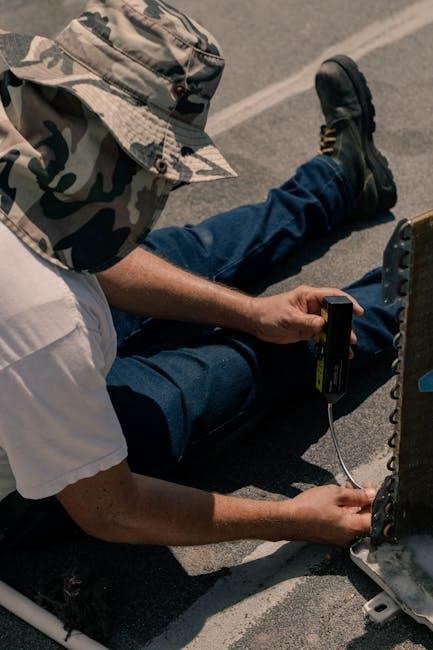
Accurate fuel pressure is vital for optimal generator performance. For propane systems, the pressure should typically fall between 7 and 11 inches of water column (WC). Natural gas requires a pressure range of 3.5 to 7 inches WC. Use a manometer to precisely measure the pressure at the generator’s inlet.
Low pressure can cause starting difficulties and reduced power output, while excessive pressure may damage components. Adjust the regulator on the propane tank or natural gas supply line to achieve the correct pressure. Document the verified pressure reading for maintenance records.
Combustion Analysis
Performing a combustion analysis ensures efficient and clean operation. This involves measuring levels of oxygen (O2), carbon monoxide (CO), and carbon dioxide (CO2) in the exhaust gases. A combustion analyzer is essential for accurate readings. Optimal combustion minimizes fuel waste and emissions.
Target O2 levels typically range between 3-5%, while CO should be as close to 0% as possible. High CO indicates incomplete combustion, potentially due to improper fuel-air mixture or faulty injectors. Adjust the generator’s carburetor or fuel system as needed, and re-test until optimal values are achieved.
Load Testing and Performance Evaluation

After installation, rigorous load testing is crucial. Gradually increase the electrical load on the generator, starting with essential circuits and progressing to larger appliances. Monitor voltage and frequency throughout the process, ensuring they remain within acceptable limits (typically 120/240V and 60Hz).
Observe the generator’s response to each load increment. Note any signs of strain, overheating, or instability. A full load test (24kW) should be sustained for at least 30 minutes to verify long-term performance. Document all readings and observations for future reference and troubleshooting.
Routine Maintenance Schedule
Regular maintenance is vital for reliable operation. Every 25 hours of use, inspect air filters and replace if dirty. Annually, change the oil and filter, inspect spark plugs (for propane models), and check all electrical connections for corrosion.
Every two years, replace the fuel filter (propane/natural gas) and coolant (if applicable). Periodically test the transfer switch to ensure proper function. Keep detailed maintenance records. Following this schedule maximizes generator lifespan and minimizes potential issues, ensuring power is available when needed.
Troubleshooting Common Issues
Starting problems often stem from low battery charge; check connections and consider a new battery. If the generator cranks but doesn’t start, inspect the fuel supply – propane tank levels or natural gas valve position. Low voltage issues can indicate a problem with the automatic voltage regulator (AVR) or wiring.
Check circuit breakers and transfer switch settings. Consult the diagnostic section of this manual for error codes. If issues persist, contact a qualified Generac technician for assistance. Never attempt repairs beyond your expertise.
Starting Problems
If your Generac 24kW generator fails to start, begin by verifying the battery’s charge and connections; a weak battery is a frequent culprit. Ensure the fuel supply is adequate – check propane tank levels or the natural gas valve’s open position. Inspect the spark plug (if applicable) for fouling or damage.
Confirm the oil level is within the recommended range, as a low oil level triggers a safety shutdown. Listen for clicking sounds, which may indicate a solenoid issue. Refer to the control panel for any displayed error codes, providing valuable diagnostic clues.
Low Voltage Issues
Experiencing low voltage from your Generac 24kW generator can damage sensitive electronics. First, verify the transfer switch is functioning correctly, ensuring a complete and clean transfer between utility and generator power. Check the generator’s voltage regulator; a faulty regulator is a common cause of voltage fluctuations. Inspect all wiring connections for looseness or corrosion, as these increase resistance.
Ensure the load doesn’t exceed the generator’s capacity; overloading causes voltage drop. Confirm proper grounding, as inadequate grounding impacts voltage stability. Consult a qualified electrician for complex issues or if you’re uncomfortable with electrical troubleshooting.
Understanding Generator Diagnostics
Your Generac 24kW generator features a sophisticated diagnostic system, displayed via the control panel. Error codes indicate specific issues, ranging from low oil pressure to sensor failures. Consult the manual’s error code appendix for detailed explanations and troubleshooting steps. Pay attention to warning lights, signaling potential problems requiring immediate attention.
The system monitors engine performance, fuel levels, and electrical output. Regularly check the diagnostic display during and after operation. Some models offer remote monitoring capabilities via a mobile app, providing real-time status updates and alerts. Properly interpreting these diagnostics ensures timely maintenance and prevents major failures.
Generac Warranty Information
Generac offers a comprehensive warranty on its 24kW generators, protecting against defects in materials and workmanship. The standard warranty typically covers parts and labor for a specified period, often varying based on the application – residential versus commercial. Registration within a defined timeframe is crucial to validate warranty coverage.
Extended warranty options are available for increased peace of mind. The warranty does not cover damage resulting from improper installation, misuse, or lack of routine maintenance. Keep detailed records of all maintenance performed. Refer to the official warranty document for complete terms and conditions.
Regulatory and Permitting Requirements
Installing a Generac 24kW generator often necessitates adherence to local regulations and obtaining necessary permits. These requirements vary significantly by municipality and state, encompassing electrical codes, building permits, and fuel storage regulations. Contact your local authorities – building department, fire marshal – to determine specific requirements before commencing installation.
Propane or natural gas connections demand compliance with relevant fuel codes. Electrical work must meet the National Electrical Code (NEC) and local amendments. Failure to obtain permits can result in fines and delays. Ensure the installation is inspected and approved by qualified officials.
Generac’s Employee Statistics (Current ⎯ 02/10/2026)
As of February 10th, 2026, Generac Holdings Inc. employs 9,239 individuals, reflecting a 7.43% increase from the previous year. This growth indicates the company’s expanding operations and market demand for its power generation products, including the 24kW generator. The workforce encompasses various roles – engineering, manufacturing, sales, and support – contributing to the full lifecycle of product development and customer service.
With a revenue per employee of $0.46 million, Generac demonstrates strong financial performance and operational efficiency. These statistics highlight the company’s commitment to innovation and its position as a leader in the backup power industry.
Generac Revenue Per Employee (Current ⏤ 02/10/2026)
Currently, as of February 10th, 2026, Generac Holdings Inc. reports a revenue per employee of $0.46 million. This metric signifies the productivity and financial contribution of each team member within the organization. It reflects the company’s ability to generate substantial income relative to its workforce size, showcasing efficient operations and strong market performance.
This figure is particularly relevant when considering the manufacturing and support of products like the 24kW generator. A high revenue per employee suggests effective resource allocation and a successful business model, enabling continued investment in innovation and customer satisfaction.
Historical Context: Generac Founding & Evolution
Founded in 1959, Generac pioneered affordable home standby generators, initially addressing the need for reliable power solutions. The company’s early innovation included developing an engine specifically designed for the demanding requirements of continuous generator operation. This commitment to specialized engineering laid the foundation for its future success.
Over the decades, Generac evolved from a niche manufacturer to the leading provider of backup power systems. This growth was fueled by consistent product development, strategic acquisitions, and a focus on meeting evolving customer needs, including models like the 24kW generator.
Diesel Engine Technology in Generac Generators
Generac utilizes robust diesel engines in many of its generator models, renowned for their durability and fuel efficiency. These engines, often large-displacement, are designed for continuous operation, powering critical systems during outages. Historically, large diesels have been employed in power plants and marine applications, showcasing their reliability.
Generac’s diesel engines undergo rigorous testing to ensure performance and longevity. While the 24kW model may also utilize alternative fuel options, understanding diesel technology provides insight into Generac’s engineering expertise and commitment to dependable power generation.
Resources and Support (Generac Website & Contact Information)
For comprehensive support and detailed information regarding your Generac 24kW generator, visit the official Generac website. There, you’ll find installation manuals, FAQs, troubleshooting guides, and warranty details. The website also offers a dealer locator to connect with certified installers in your area.
Generac’s customer service is available via phone and online chat to address specific questions or concerns. Accessing these resources ensures a smooth installation process and ongoing maintenance. Remember to register your generator online to activate your warranty and receive important updates.