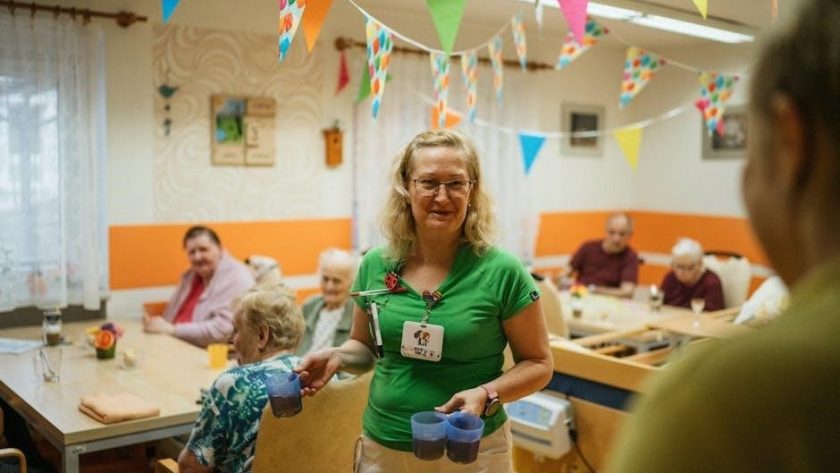
What is a Church? A Biblical Understanding
Many today view the church as simply a building, but this isn’t biblically accurate. The Greek word ekklesia, translated as “church,” signifies a community of believers.
The Church as More Than a Building
The common perception of a church often centers around a physical structure – a building dedicated to Christian worship. However, a truly biblical understanding reveals a far richer and more dynamic reality. The earliest Christians didn’t initially gather in dedicated church buildings; instead, they met in house churches, demonstrating that the church is fundamentally about people, not places.
The Greek word ekklesia, often translated as “church,” carries the meaning of an “assembly” or a “called-out” group. This highlights the church’s essence as a community of believers called together by God. It’s a living organism, a body of Christ, comprised of individuals united in faith and purpose. This community transcends physical walls and exists wherever believers gather – whether in homes, public spaces, or even digitally.
Focusing solely on the building diminishes the church’s true nature and purpose. The church isn’t a static institution but a vibrant, relational network empowered by the Holy Spirit. It’s a place of worship, fellowship, discipleship, and service, all centered around Jesus Christ. Understanding this distinction is crucial for a genuine and impactful faith life, moving beyond mere attendance to active participation in God’s work.
Historical Origins of the Christian Church
The Christian church’s beginnings are rooted in the ministry of Jesus Christ and the subsequent outpouring of the Holy Spirit on the Day of Pentecost, as recorded in the Book of Acts. Initially, the church wasn’t characterized by elaborate structures but by small gatherings of believers, often within Jewish synagogues and, crucially, in house churches – private homes opened for worship and fellowship.
These early house churches, appearing as early as 233 AD, served as vital centers for the nascent Christian community. They provided spaces for teaching, prayer, the sharing of meals (communion), and mutual support. Leadership within these communities wasn’t immediately formalized, but gradually, roles emerged, including those of elders – individuals recognized for their spiritual maturity and commitment to sound doctrine.
As the church grew, facing both internal challenges and external persecution, the need for structured leadership became more apparent. The roles of elders (also referred to as overseers and pastors) became increasingly defined, tasked with guiding, protecting, and nurturing the flock. This historical trajectory demonstrates that the church’s essence wasn’t initially tied to grand buildings, but to the faithful witness and communal life of its members, guided by emerging leadership.
The Church Today: A Global Community
Today, the Christian church exists as a vast and diverse global community, transcending geographical boundaries and cultural differences. While physical church buildings remain important spaces for worship, the church’s true identity lies in its network of believers united by faith in Jesus Christ. This global fellowship encompasses a multitude of denominations and expressions, yet shares a common heritage and core beliefs.
Organizations like Church Finder exemplify this interconnectedness, providing platforms to connect individuals with local congregations. The Global Methodist Church, with its emphasis on passionate worship and discipleship, represents one facet of this expansive landscape. Despite its diversity, the fundamental need for spiritual leadership persists, with elders continuing to play a crucial role in guiding and nurturing the church.
The responsibilities of elders – teaching, shepherding, and providing oversight – remain central to the health and vitality of congregations worldwide. They are tasked with upholding doctrinal purity, resolving conflicts, and supporting the vulnerable, mirroring the practices of the early church. This global community, strengthened by dedicated elders, continues to proclaim the Gospel and demonstrate the love of Christ to a world in need.
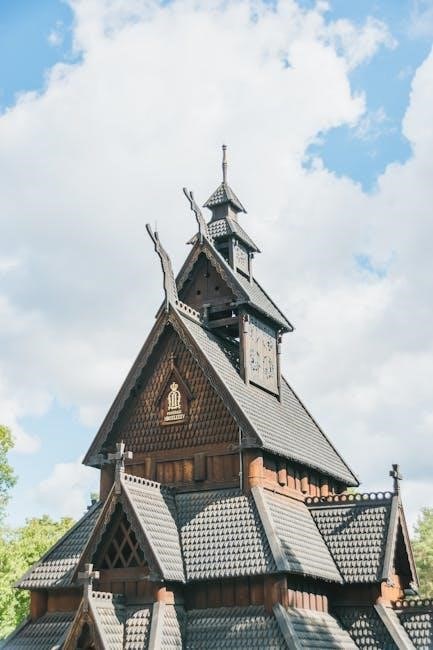
The Role of Elders in the Church
Elders are charged with teaching, protecting, and spiritually feeding the church. They are accountable to God for the congregation, offering oversight and leadership based on scripture.

Defining Church Elders: Biblical Terms (Overseers, Pastors)
Understanding the biblical terms used to describe church elders is crucial for grasping their role; The New Testament employs several titles – elder, overseer (episkopos), and pastor (poimēn) – often used interchangeably to denote the same office within the church leadership structure. This isn’t due to ambiguity, but rather a richness of imagery highlighting different facets of their responsibility.
“Elder” emphasizes maturity, wisdom, and experience within the faith community. These individuals are expected to be seasoned believers, possessing a track record of spiritual growth and sound judgment; “Overseer” paints a picture of watchful care and guidance, implying a responsibility to protect the flock from false teaching and harmful influences. They provide direction and ensure the church remains faithful to its core beliefs.
The term “pastor” evokes the image of a shepherd tending to his sheep, nurturing, protecting, and guiding them. This highlights the relational aspect of the elder’s role – providing spiritual care, counseling, and encouragement to the members of the congregation. It’s important to note that while “pastor” can refer to the act of shepherding, the office of pastor, biblically, is synonymous with elder and overseer. These terms aren’t distinct roles, but rather different descriptions of the same leadership position, emphasizing the multifaceted nature of their calling.
Qualifications of Elders: Scriptural Requirements
The New Testament lays out specific qualifications for those aspiring to the office of elder, ensuring they possess the character and competence necessary for spiritual leadership. These aren’t merely suggestions, but divinely ordained standards designed to protect the church and equip its leaders for effective service.

Paul’s letters to Timothy and Titus provide the most detailed lists. Elders must be above reproach, demonstrating integrity in all areas of life. They should be temperate, self-controlled, and not given to excessive indulgence. Hospitality is also key, reflecting a welcoming and generous spirit. Furthermore, they must be able to teach accurately and defend sound doctrine, demonstrating a firm grasp of Scripture.
Beyond character, elders must also exhibit stability and maturity. They shouldn’t be recent converts, allowing time to demonstrate consistent faith. They need to be respected within the community and manage their households well, showcasing responsible leadership. Importantly, they must be gentle, peaceable, and free from the love of money. These qualifications aren’t intended to create an unattainable standard, but to guide the church in identifying individuals who are genuinely equipped to shepherd God’s flock with humility and faithfulness.
The Authority and Accountability of Elders
Elders are granted authority by God to lead and oversee the church, a responsibility stemming from their qualifications and calling. This authority isn’t absolute or dictatorial, but rather a sacred trust to guide the congregation according to Scripture. They are charged with protecting the church from false teaching and ensuring doctrinal purity, acting as faithful stewards of God’s truth.
However, this authority is inextricably linked to accountability. Elders are accountable first and foremost to God, who will judge their faithfulness in fulfilling their duties. They are also accountable to the congregation they serve, expected to lead with humility and transparency. This mutual accountability fosters a healthy dynamic, preventing abuse of power and encouraging responsible leadership.
Furthermore, elders are often accountable to one another, functioning as a team and providing mutual support and correction. This collegial approach safeguards against individual failings and promotes wise decision-making. Ultimately, the authority of elders is designed to serve the church, not to elevate their own status, and their accountability ensures they remain focused on that primary purpose.

Responsibilities of Church Elders
Elders shoulder vital duties: teaching sound doctrine, providing spiritual care, offering oversight and leadership, and participating in church-wide decision-making processes, all while prioritizing prayer.
Teaching and Doctrinal Purity

Central to the elder’s role is the responsibility of teaching and safeguarding doctrinal purity within the church community. Elders are entrusted with conveying biblical truth accurately and faithfully, ensuring the congregation is grounded in sound doctrine. This isn’t merely about imparting information, but about equipping believers to discern truth from error and to grow in their understanding of God’s Word.
Elders must be capable of explaining complex theological concepts in a clear and accessible manner, addressing questions and concerns with wisdom and grace. They are called to defend the faith against false teachings, gently correcting those who stray from biblical principles. This requires a deep commitment to ongoing study and a willingness to engage with challenging theological issues.
Maintaining doctrinal purity isn’t a passive task; it demands proactive engagement. Elders must be vigilant in identifying and addressing potential threats to sound doctrine, whether from within or outside the church. They serve as spiritual watchmen, protecting the flock from harmful influences and guiding them towards a deeper relationship with Christ. Their teaching should always be rooted in Scripture and aimed at fostering spiritual maturity.
Shepherding and Spiritual Care
Beyond doctrinal instruction, elders are fundamentally called to be spiritual shepherds, providing compassionate care for the individuals within the congregation. This encompasses a wide range of responsibilities, from visiting the sick and offering encouragement to counseling those struggling with personal challenges. It’s a deeply relational role, requiring empathy, patience, and a genuine love for people.
Effective shepherding involves knowing the flock – understanding the individual needs, strengths, and weaknesses of those under their care. Elders should be accessible and approachable, creating a safe space for members to share their burdens and seek guidance. This often means actively listening, offering wise counsel based on biblical principles, and praying fervently for those they serve.
The elder’s role extends to protecting the vulnerable and supporting those facing difficult circumstances. This includes providing practical assistance, advocating for the marginalized, and offering a consistent presence in times of crisis. Shepherding isn’t limited to moments of need; it’s a continuous process of nurturing spiritual growth and fostering a sense of belonging within the church family.
Oversight and Leadership
Elders aren’t merely spiritual guides; they also bear the responsibility of providing oversight and leadership to the church community. This involves a proactive approach to ensuring the church functions effectively and faithfully adheres to biblical principles. They are tasked with discerning God’s direction for the congregation and guiding it accordingly.
Effective oversight requires a strategic mindset, encompassing planning, organization, and delegation. Elders work collaboratively to establish clear goals, allocate resources wisely, and ensure that various ministries are aligned with the church’s overall vision. They are responsible for identifying and equipping individuals to serve in their respective areas of gifting.
Leadership, in this context, isn’t about wielding authority but about serving others. Elders lead by example, demonstrating humility, integrity, and a commitment to selfless service. They are peacemakers, resolving conflicts with wisdom and grace, and fostering a spirit of unity within the church. They are also responsible for safeguarding the church’s doctrinal purity and protecting it from harmful influences.
Decision-Making within the Church
Sound decision-making is crucial for a healthy church, and elders play a pivotal role in this process. They aren’t expected to act unilaterally but rather to engage in collaborative discernment, seeking God’s will through prayer, Scripture, and wise counsel. This collective approach ensures that decisions are well-considered and reflect the needs of the entire congregation.
Significant matters, particularly those impacting doctrine, finances, or major initiatives, typically require the elders to convene and deliberate. They carefully weigh various perspectives, considering potential consequences and aligning choices with the church’s core values. Transparency is key; the elders should communicate the rationale behind their decisions to the congregation, fostering trust and understanding.
However, decision-making isn’t solely the elders’ domain. They should actively solicit input from the congregation, valuing the wisdom and insights of its members. This participatory approach empowers the church community and promotes a sense of ownership. Ultimately, the goal is to arrive at decisions that honor God and advance His kingdom, guided by biblical principles and a spirit of unity.
Elders and Church Governance
Elders are tasked with resolving disputes, offering encouragement, and supporting vulnerable members within the church community, acting as spiritual leaders and guides for all.
Resolving Differences and Conflicts (Acts 15:6)
The role of elders in mediating and resolving differences within the church is deeply rooted in biblical precedent, notably demonstrated in Acts 15:6. This passage details how the apostles and elders gathered in Jerusalem to address a significant doctrinal dispute concerning Gentile converts. Their approach wasn’t one of dictatorial decree, but of careful deliberation, prayerful consideration, and collaborative discussion.
This illustrates a crucial principle for church governance: elders are not simply authority figures, but facilitators of unity and truth. When conflicts arise – whether stemming from doctrinal disagreements, interpersonal issues, or matters of church practice – elders are called to listen attentively to all perspectives, examine the matter in light of Scripture, and seek a resolution that honors God and preserves the peace of the community.
Effective conflict resolution requires wisdom, humility, and a commitment to restorative justice. Elders must be able to discern the root causes of conflict, address underlying issues, and guide individuals toward reconciliation. It’s not about winning or losing, but about seeking what is best for the health and well-being of the entire congregation. The example in Acts 15 highlights the importance of a collective approach, where elders work together to discern God’s will and apply biblical principles to complex situations.
Admonishing and Encouraging the Congregation (1 Thessalonians 5:12)
Paul’s instruction in 1 Thessalonians 5:12 – “And we urge you, brothers and sisters, admonish the idle” – underscores a vital aspect of elder responsibility: the consistent practice of both gentle correction and heartfelt encouragement. This isn’t merely about reprimanding wrongdoing, but about lovingly guiding believers toward spiritual maturity and a life that reflects Christ.
Admonishment, when delivered biblically, is rooted in care and concern, aiming to restore rather than condemn. Elders must discern when to address sin or harmful patterns of behavior, doing so with humility, grace, and a clear understanding of Scripture. Simultaneously, they are called to actively encourage the congregation, recognizing and affirming their strengths, gifts, and faithfulness.
This dual role – admonisher and encourager – requires a delicate balance. Elders must be discerning, knowing when to offer a firm word of correction and when to extend a word of affirmation. A healthy church is one where members feel safe to receive both, understanding that discipline is an expression of God’s love and encouragement fuels spiritual growth. Ultimately, the goal is to build up the body of Christ, equipping believers to live lives that are pleasing to God and impactful in the world.
Supporting the Weak and Vulnerable (Acts 20:35)
Paul’s poignant words in Acts 20:35 – “Remembering the words the Lord Jesus himself said: ‘It is more blessed to give than to receive’” – highlight a core tenet of elder leadership: a selfless commitment to the well-being of the flock, particularly those who are weak or vulnerable. This extends beyond simply offering material assistance; it encompasses emotional, spiritual, and practical support.
Elders are called to identify those within the congregation who are struggling – whether facing illness, grief, financial hardship, or spiritual discouragement – and to actively come alongside them. This might involve providing a listening ear, offering prayerful encouragement, coordinating practical help (meals, transportation, childcare), or connecting them with appropriate resources.
Genuine care for the vulnerable demonstrates the heart of Christ and fosters a sense of belonging within the church community. It requires humility, empathy, and a willingness to invest time and energy in meeting the needs of others. By prioritizing the needs of the weak, elders model servant leadership and cultivate a church culture characterized by compassion and mutual support, reflecting God’s love in tangible ways.

Resources for Understanding Church Elders
Numerous PDF resources delve into church leadership, specifically the roles of elders and overseers. These materials offer scriptural insights into qualifications, responsibilities, and governance principles.
Finding Churches with Established Eldership
Locating churches that actively practice eldership requires intentional searching, as not all denominations prioritize this leadership structure. Online directories, like Church Finder, can be a starting point, though they don’t always explicitly state the presence of elders. A more effective approach involves researching denominations historically committed to elder governance, such as Presbyterian and Reformed churches.

Exploring denominational websites often provides information about local congregations and their leadership teams. Many churches will publicly list their elders on their “About Us” or “Leadership” pages. Additionally, seeking recommendations from trusted Christian friends or mentors can lead you to churches with established elderships. When visiting potential churches, observe the visible role of elders during services and meetings.
Consider inquiring directly about the elders’ responsibilities and how they function within the church’s decision-making processes. A healthy eldership will demonstrate a commitment to biblical leadership, spiritual discernment, and accountability. Resources like the Global Methodist Church’s “Find-a-Church” page can also help identify congregations aligning with specific theological perspectives on church governance, potentially indicating an emphasis on elder leadership. Remember to prioritize finding a church where elders faithfully fulfill their scriptural mandates.
PDF Resources on Church Leadership
Numerous PDF resources delve into the intricacies of church leadership, specifically addressing the role of elders. Many seminaries and theological institutions offer downloadable study guides and articles on biblical elder qualifications, responsibilities, and governance models. Searching online for terms like “church eldership PDF,” “biblical leadership PDF,” or “elder qualifications PDF” yields a wealth of materials.
Organizations dedicated to church health and leadership development frequently provide free PDF downloads. These resources often cover topics such as conflict resolution among elders, effective pastoral care, and the importance of doctrinal purity. Some PDFs offer practical guidance on establishing an eldership within a local church, including sample constitutions and bylaws.
Additionally, denominational websites often host PDF documents outlining their specific beliefs and practices regarding elder governance. Exploring resources from Presbyterian, Reformed, and Baptist traditions can provide valuable insights. Be sure to evaluate the theological perspective of each resource to ensure alignment with your own convictions. Careful study of these PDFs can equip you with a deeper understanding of the biblical foundations and practical application of eldership in the church.
The Global Methodist Church and its Elders
The Global Methodist Church (GMC) places significant emphasis on the role of elders in leading its congregations. Their structure incorporates a system of elders responsible for spiritual oversight, teaching, and pastoral care, mirroring a traditional Wesleyan understanding of church leadership. Information regarding their specific requirements and responsibilities is readily available on the GMC website;
While a dedicated, centralized “church elders PDF” document isn’t prominently featured, the GMC provides numerous resources outlining elder qualifications and expectations within their Book of Discipline and related leadership materials. These documents detail the process for ordination, appointment, and accountability of elders within the denomination. They emphasize the importance of elders being equipped to preach, teach, and administer the sacraments.
Furthermore, the GMC’s “Find-a-Church” page connects individuals with local congregations where they can learn more about how elders function within a specific church context. Exploring these local church websites may reveal additional resources or materials related to their elder leadership teams. The GMC’s commitment to establishing a strong elder presence reflects its dedication to biblically-based church governance and spiritual health.