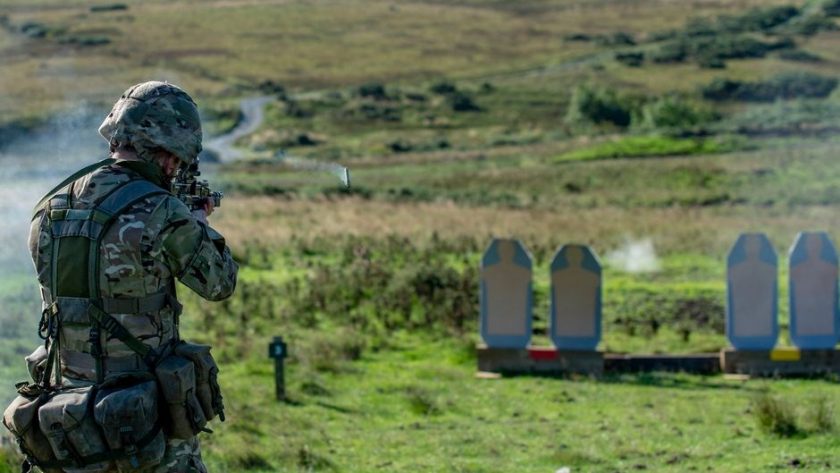
Discover the Royal Marines training plan PDF‚ a comprehensive guide detailing curriculum‚ schedules‚ and resources for recruits and planners. It offers structured insights into training phases‚ assessment tools‚ and downloadable materials to streamline preparation. Ready!!
Purpose and Audience of the Training Plan
The Royal Marines training plan PDF is designed to serve as a definitive resource for a diverse audience‚ including prospective recruits‚ current service members‚ instructors‚ and military planners. Its primary purpose is to provide a clear‚ structured‚ and accessible roadmap that outlines the progression from initial basic training through advanced operational modules. By consolidating curriculum details‚ assessment criteria‚ and logistical guidance into a single document‚ the plan ensures consistency across training units and facilitates seamless integration of new recruits into the Royal Marines ethos. The PDF also functions as a reference tool for instructors to tailor lesson plans‚ track individual performance metrics‚ and adjust training loads in response to physical and mental readiness indicators. For planners‚ the document offers a framework for resource allocation‚ scheduling‚ and compliance with national and international training standards. Ultimately‚ the training plan PDF aims to enhance operational readiness‚ promote professional development‚ and support the long‑term career trajectory of every Marine by aligning training objectives with strategic mission goals. By integrating this PDF into daily training routines‚Marines systematically track skill acquisition‚ benchmark against standards‚ and refine tactics to meet evolving demands.!!
Key Components of the Royal Marines Training Regimen
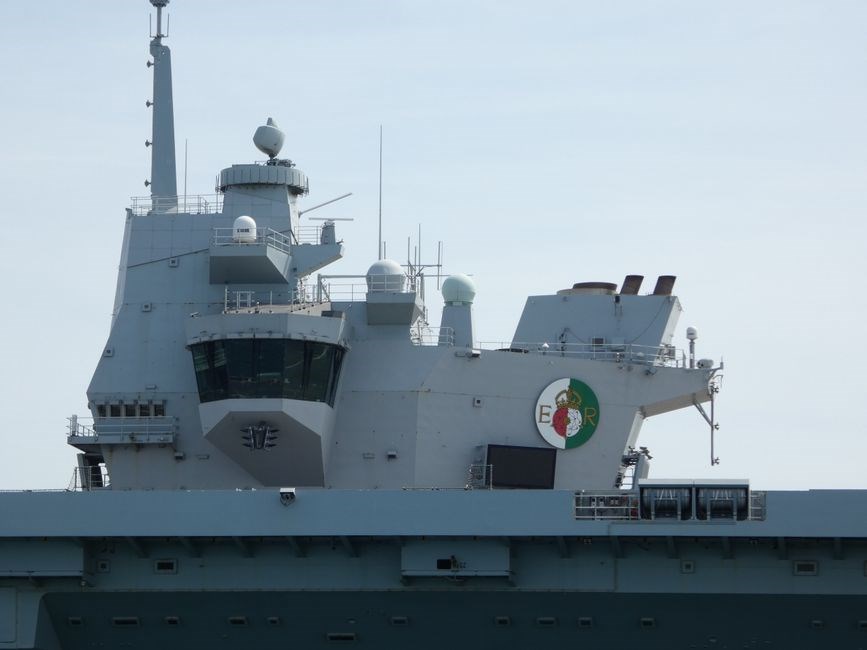
The key components of the Royal Marines training regimen include rigorous physical conditioning‚ tactical proficiency‚ amphibious operations‚ leadership training‚ mental resilience‚ and continuous assessment. The PDF outlines each element in detail‚ ensuring a development approach.
Physical Fitness Requirements
The Royal Marines training plan PDF specifies a stringent physical fitness framework designed to prepare recruits for the demanding operational environment. The core assessment metrics are:
- Push‑ups: Minimum 60 in 2 minutes for male recruits‚ 45 for female recruits‚ with progressive benchmarks.
- Sit‑ups: Minimum 80 in 2 minutes‚ reflecting core endurance essential for amphibious assaults.
- 100‑meter sprint: Target time under 15 seconds for rapid deployment.
- 2‑mile run: Completion in under 15 minutes‚ ensuring aerobic capacity for sustained marches.
Recruits undergo weekly assessments‚ with performance data logged in the PDF’s tracking sheets. The plan also recommends a periodized training cycle: a foundational phase focusing on base fitness‚ a conditioning phase incorporating interval training and resistance work‚ and a peak phase that simulates operational scenarios. Adherence to the prescribed schedule is mandatory; deviations trigger remedial sessions. The PDF provides sample workout logs‚ nutrition guidelines‚ and recovery protocols‚ ensuring a holistic approach to physical readiness. Continuous improvement is fostered through data‑driven adjustments‚ allowing trainers to tailor intensity and volume to individual progress while maintaining collective standards.!!!
Structured Training Phases
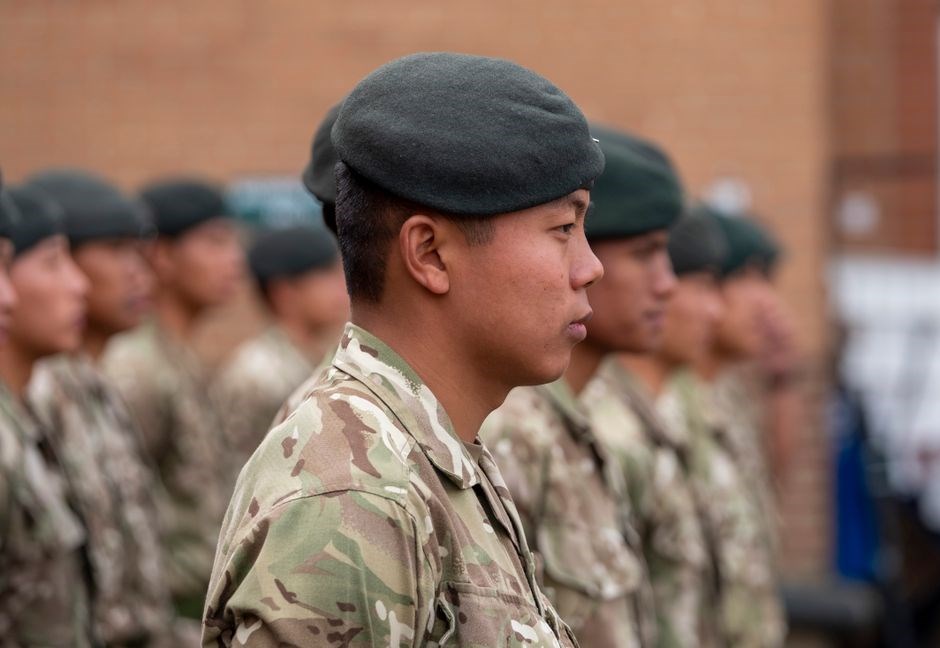
The Royal Marines training plan PDF outlines three distinct phases: induction‚ core conditioning‚ and advanced operational training. Each phase builds on the previous‚ integrating physical drills‚ tactical exercises‚ and leadership development to ensure readiness and readin
Phase 1 – Basic Training Overview
In the first stage of the Royal Marines training plan PDF‚ recruits undergo a rigorous induction that blends physical conditioning‚ basic seamanship‚ and foundational combat skills. The curriculum is divided into daily modules‚ each lasting 90 minutes‚ covering topics such as obstacle navigation‚ rifle marksmanship‚ and first‑aid procedures. Physical fitness tests—comprising timed runs‚ push‑ups‚ and sit‑ups—are administered at the start and end of each week to gauge progress. Tactical briefings introduce the principles of small‑unit operations‚ emphasizing teamwork‚ communication‚ and situational awareness. Stress‑management workshops teach breathing techniques and mental rehearsal to prepare soldiers for high‑pressure scenarios. The phase culminates in a field exercise where trainees must apply learned skills in a simulated amphibious assault‚ navigating obstacles‚ coordinating with teammates‚ and executing coordinated attacks under instructor supervision. Throughout‚ instructors maintain a log of performance metrics‚ providing personalized feedback and adjusting training loads to optimize development. This foundational phase establishes the core competencies required for subsequent advanced modules‚ ensuring each Marine is physically fit‚ technically competent‚ and psychologically prepared for the challenges ahead. All data is confidential now
Advanced Tactical Training Modules
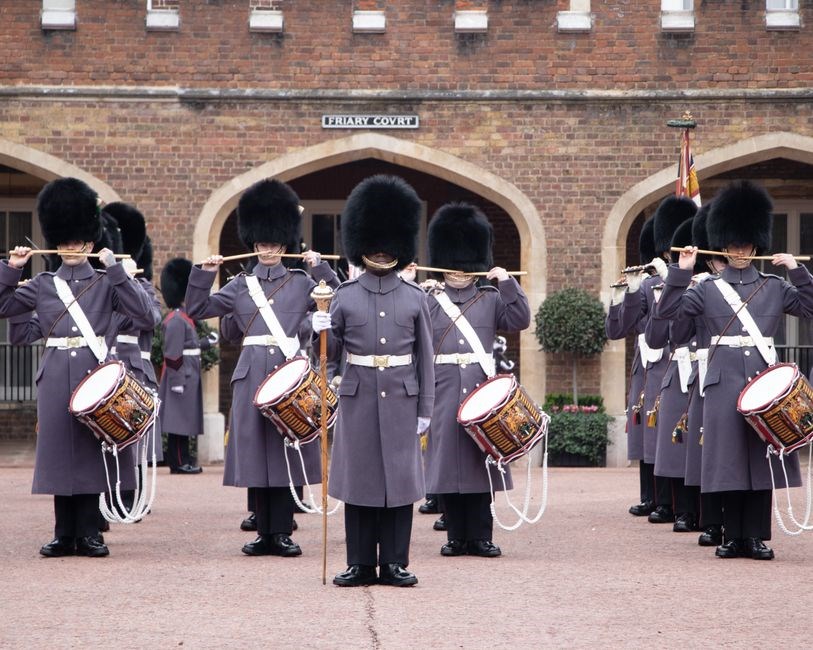
The PDF outlines advanced modules: amphibious assault‚ urban warfare‚ night operations‚ and marksmanship. Units blend live‑fire drills‚ scenario planning‚ and leadership exercises to sharpen tactics and decision‑making. Ready for ops now.
Amphibious Warfare Skills
The Royal Marines training plan PDF details amphibious warfare training‚ covering beach assault tactics‚ surf zone navigation‚ and rapid deployment under fire. It includes foundational knowledge of tide charts‚ sea state classification‚ and naval architecture. Trainees practice using inflatable rafts‚ rigid‑bodies‚ and amphibious assault vehicles (AAVs). Live‑fire drills simulate wave impact‚ enabling Marines to master low‑light optics‚ infrared sensors‚ and stealth movement. The plan integrates small‑unit tactics‚ fire support coordination from naval gunfire and aircraft‚ and night operations. It emphasizes joint operations‚ collaboration with Royal Navy surface ships‚ submarines‚ and air assets. Instructors stress situational awareness‚ communication links via satellite and HF radio‚ and rapid extraction protocols. Assessment includes written exams‚ physical fitness tests‚ scenario simulations‚ and downloadable checklists. The PDF also offers briefing templates and after‑action review forms to refine tactics. By module end‚ Marines conduct seamless beach assaults‚ secure objectives‚ and transition inland with confidence and cohesion.
The PDF also includes an after review process‚ encouraging Marines to analyze each operation‚ identify lessons learned‚ and integrate improvements into training cycles‚ fostering excellence

Mental Resilience and Leadership Development
Royal Marines training plan PDF emphasizes mental resilience‚ stress inoculation‚ and adaptive leadership. It offers scenario drills‚ reflective journaling‚ peer‑support frameworks‚ and decision‑making under pressure‚ fostering confidence and cohesion for unit cohesion morale!
Psychological Preparedness Techniques
The Royal Marines training plan PDF offers a comprehensive guide to psychological preparedness‚ integrating cognitive‑behavioral techniques that help recruits identify and reframe negative thoughts under stress. Structured stress‑inoculation drills simulate escalating combat scenarios‚ fostering composure and resilience. A peer‑support system encourages open dialogue‚ normalizing anxiety and fatigue. Leadership modules emphasize situational awareness‚ rapid decision‑making‚ and adaptive coping strategies‚ ensuring commanders model resilience. Mindfulness practices—guided breathing‚ body‑scan meditation—enhance present‑moment focus and reduce physiological arousal. Regular assessments by mental‑health professionals provide objective metrics for progress and highlight areas needing support. By embedding these practices into the training curriculum‚ the plan ensures recruits develop both physical capability and psychological resilience‚ ready to face unpredictable amphibious challenges. These tools build mental toughness‚ speed decision‑making‚ and ensure Marines adapt swiftly in high‑stakes environments. For all today
Accessing and Utilizing the Training Plan PDF

Download the PDF from the site‚ scan the QR code‚ or use the portal. Open with a PDF reader‚ bookmark key sections‚ and print copies for field use. Use idx to locate drills‚ timelines‚ and assessment tools soon. Go now
Downloading and Navigating the Document
Access the Royal Marines training plan PDF by visiting the website or the training portal. Click the “Download” button‚ which will prompt a file save dialog. Choose a secure location on your device and confirm. Once downloaded‚ open the file with a PDF reader such as Adobe Acrobat Reader‚ Foxit‚ or the viewer on systems. The document is organized into clearly labeled sections and chapters‚ each beginning with a header that matches the table of contents. Use the search function (Ctrl + F or Cmd + F) to locate specific terms or drill names quickly. Bookmark frequently referenced pages by clicking the bookmark icon; this creates a list in the sidebar. The PDF includes interactive elements: hyperlinks to related resources‚ video links‚ and a glossary of military terminology. Hover over any link to preview the destination. For offline use‚ consider converting the PDF to a printable format by selecting “Print” and choosing a PDF printer driver; this preserves page order and formatting. If you encounter a corrupted file‚ re‑download from the original source or use the “Download as ZIP” option‚ which contains multiple PDFs‚ images‚ and a README file. Finally‚ keep the PDF updated by checking the release notes on the website; new editions replace older ones with enhanced training modules and updated regulations. By mastering these steps‚ you ensure reliable access to the current training plan‚ enabling study daily now and reference quickly during preparation and deployment.
Customizing the Training Plan for Individual Goals
Tailor the Royal Marines training plan PDF to match personal objectives by selecting modules‚ adjusting intensity‚ and setting milestones. Use the plan’s modular layout to focus on desired skills‚ track progress‚ and refine tactics over time. Adjust the schedule to fit timeline.!!
Personal Assessment and Goal Setting
Before diving into the Royal Marines training plan PDF‚ conduct a thorough personal assessment to determine baseline fitness‚ skill gaps‚ and career aspirations. Use the plan’s built‑in checklists to evaluate physical readiness‚ tactical knowledge‚ and mental resilience. Document strengths and weaknesses in a spreadsheet or journal‚ noting specific metrics such as 1‑2‑3‑mile run times‚ pull‑up counts‚ and obstacle course performance. Identify short‑term milestones—completing Phase 1‚ mastering basic amphibious drills‚ or achieving a target fitness score—and long‑term objectives like qualifying for advanced weapons courses or leadership billets. Set SMART goals (Specific‚ Measurable‚ Achievable‚ Relevant‚ Time‑bound) aligned with the PDF’s modular structure. For example‚ aim to increase push‑up capacity by 20% within 12 weeks‚ or reduce obstacle completion time by 15% by the end of Phase 2. Prioritize goals that support both immediate training needs and future career progression. Create a visual roadmap using Gantt charts or Kanban boards‚ mapping each goal to corresponding PDF sections and training sessions. Schedule regular reviews—weekly for short‑term targets‚ monthly for long‑term plans—to assess progress‚ recalibrate intensity‚ and adjust timelines. Incorporate feedback loops by sharing results with instructors or peers‚ allowing the plan to evolve dynamically. Maintain motivation through milestone celebrations‚ progress tracking apps‚ and peer accountability groups; By systematically aligning personal assessment with the PDF’s structured curriculum‚ you transform a generic training document into a personalized‚ goal‑driven pathway that maximizes growth‚ readiness‚ and operational effectivenessmaint
Evaluation and Continuous Improvement
Track performance with the PDF’s metrics‚ review weekly logs‚ adjust intensity‚ and refine tactics. Use feedback loops‚ peer reviews‚ and instructor insights to iterate training modules. Continuous assessment ensures readiness‚ resilience‚ and mission success and adapt training now.!!
Tracking Progress and Adjusting the Plan
Monitoring progress within the Royal Marines training plan PDF involves systematic data capture‚ analysis‚ and iterative refinement. Each training cycle is divided into measurable milestones—physical benchmarks‚ tactical proficiency scores‚ and psychological resilience indices. Recruits log daily performance metrics in the PDF’s embedded tracker‚ while instructors review these entries during bi‑weekly debriefs. The plan’s adaptive algorithm flags deviations from target curves‚ prompting immediate corrective actions such as targeted conditioning drills‚ scenario re‑simulation‚ or mental rehearsal sessions. Feedback loops are formalized through structured after‑action reviews (AARs)‚ where both trainee and mentor co‑evaluate outcomes against predefined objectives. Adjustments are documented in the PDF’s revision log‚ ensuring version control and traceability. Over time‚ aggregated data informs curriculum evolution‚ allowing planners to recalibrate difficulty gradients‚ redistribute resource allocations‚ and integrate emerging best practices. This cyclical process not only sustains individual readiness but also elevates collective operational capability‚ aligning the training trajectory with evolving mission demands. Continuous improvement is embedded in the PDF’s architecture‚ offering dynamic dashboards‚ trend analytics‚ and predictive modeling tools that empower decision